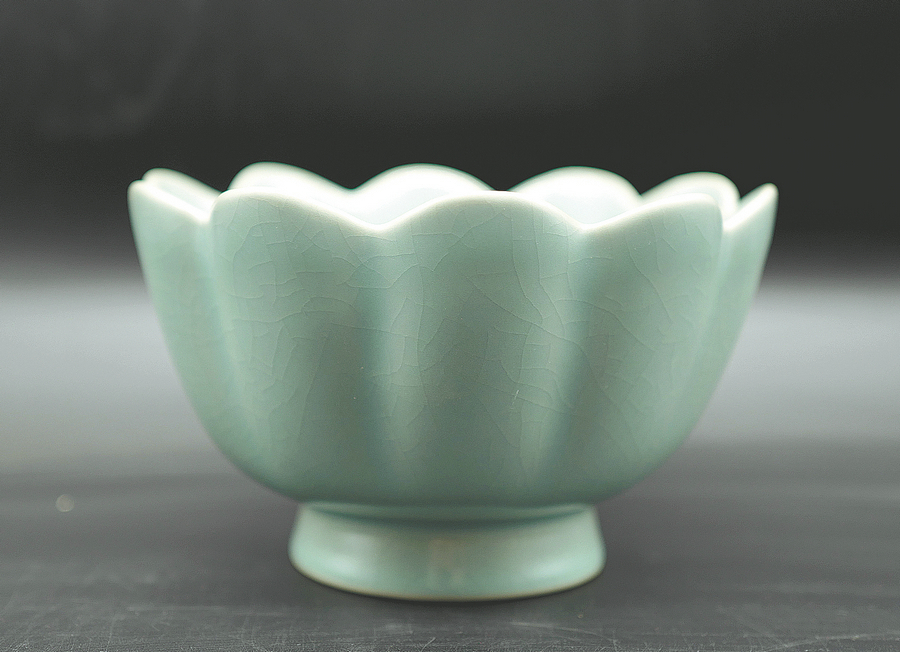
Ru Porcelain
Introduction
Ru porcelain is one of the most esteemed types of Chinese porcelain, known for its smooth and refined "sky blue" glaze. It originated during the Song Dynasty (960-1279) and holds the distinction of being the first among the five famous kilns of that era. The craftsmanship behind Ru porcelain intricately integrates philosophies into the firing techniques, making it not only an artwork for collection but also a symbol of refined taste and traditional aesthetics. The historic significance and the meticulous art of creating Ru porcelain make it a treasured cultural heritage.
History
Ru porcelain was produced for a brief period around the year 1100 for the Song Dynasty's imperial court. The kilns were located in Ruzhou, Henan province, which is where the porcelain derives its name. Despite its limited period of production, Ru porcelain has left a lasting legacy due to its distinctive pale blue glaze and the mystique surrounding its creation. The archaeological discovery of the Ru kiln site in Qingliang Temple in the 1950s and subsequent studies have helped in understanding the complex techniques and artistry involved in Ru porcelain production.
Craftsmanship and Techniques
The creation of Ru porcelain involves a detailed and intricate process that includes dozens of procedures such as material selection, carving, coloring and firing. The raw materials, including gangue and glaze, are sourced from local mountains. The glaze is particularly notable for its azure hue, described as "the blue of the sky in a clearing among clouds after the rain." Fine decorative crackles, known as kaipian, are another distinctive characteristic of Ru wares, often compared to patterns on cicada wings. The process of creating Ru porcelain is labor-intensive and demands a high level of skill and dedication.
Cultural Significance
Ru porcelain is a model of China's traditional aesthetics and a symbol of taste. It represents not only an art form but also a cultural heritage that has been passed down through generations. The porcelain was highly valued by Chinese emperors throughout history and continues to be sought after by collectors worldwide. The rarity of Ru porcelain, with fewer than 100 complete pieces known to exist today, adds to its allure and significance.
Revival and Modern Influence
In recent times, efforts have been made to revive the ancient craft of Ru porcelain. Artisans like Wang Junzi have played a crucial role in preserving and promoting this cultural heritage. Through trial and error, Wang has successfully recreated the techniques needed to produce Ru porcelain, including the sky blue glaze. His contributions have been recognized as national intangible cultural heritage, highlighting the importance of sustaining traditional crafts in the modern era.
Educational initiatives and cultural exchange programs have also been organized to foster a deeper appreciation of Ru porcelain. Students and enthusiasts are encouraged to experience the production skills and understand the cultural essence of this ancient craft. The integration of Ru porcelain into exhibitions and contemporary designs further demonstrates its enduring influence and relevance.








